2.3
Russia uses deception to recruit African students to fight in Ukraine
Russia is strengthening its ties with African states in the hope of finding support for its anti-Western narratives and securing resources without triggering sanctions.
Expanded cooperation also creates new placements for Russian officials who can no longer be deployed on Western-facing assignments.
Under the guise of educational cooperation, the Russian Ministry of Defence recruits students from African countries to fight in Ukraine.
Russia’s foreign-policy push in Africa has not abated; preparations are already underway for a Russia–Africa Summit in 2026, which will mark the third time Moscow has convened such a gathering.
The Kremlin has diversified its activities on the continent. Alongside traditional military cooperation, increasing emphasis is placed on so-called soft domains; here, we focus in particular on education and culture. Russian state agencies have signed memoranda of understanding with several African states (including Chad, Eritrea, Djibouti and Guinea), launched numerous programmes to promote Russian universities, increased the number of foreign students and even begun exporting Russian higher-education programmes.
Africa’s increased importance for Russia will persist in the near term.
Broadening cooperation with African countries not only serves Russia’s soft-power ambitions but also helps solve a domestic problem: where to place public servants, such as diplomats, intelligence officers, cultural workers and influence operatives, who can no longer be deployed in the West. Russia’s federal agency Rossotrudnichestvo, a key player in the state’s influence operations, has become increasingly active in Africa, opening offices in countries such as Guinea and Burkina Faso, among others. Additionally, the Russkiy Mir Foundation, which promotes the Russian language abroad, has expanded by opening new centres in Burundi and Uganda.
Across all these formats, Russia seeks to persuade Africans of its own narratives and spread anti-Western talking points: that Western influence and cooperation in Africa are neo-colonial, unjust and patronising; and that Russia, by contrast, is a champion of a genuinely multipolar world order and a defender of sovereignty, offering cooperation on the basis of equal partnership.
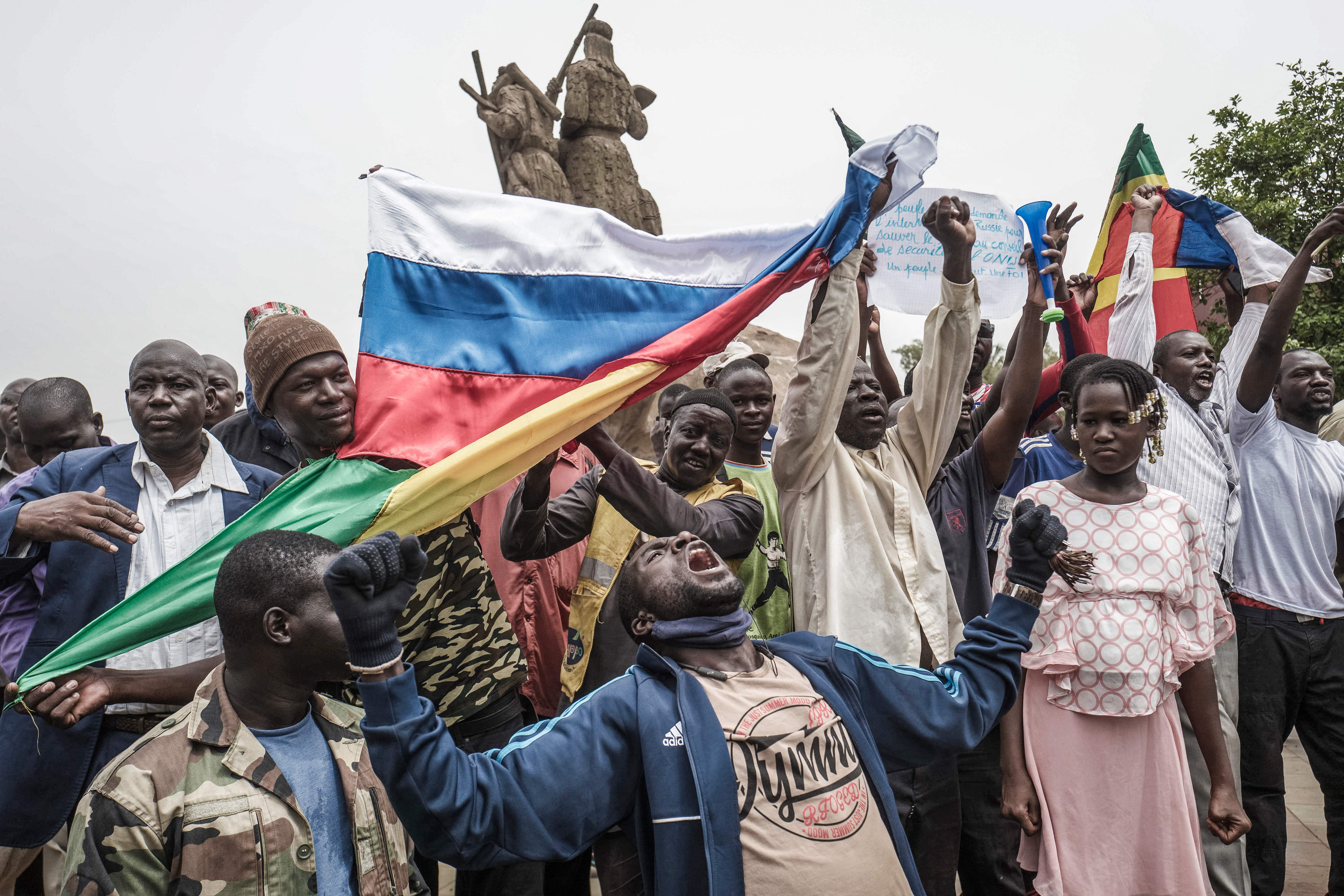
At an anti-French protest in Mali’s capital, Bamako, the flags of Mali and Russia were flown side by side. Source: Michele Cattani (AFP)
Deepening cooperation shows that Russia views its engagement with Africa as a longterm strategic endeavour. Educational and cultural propaganda are effective tools for shaping the attitudes of the next generation in a more pro-Russian direction. Although this effort faces numerous obstacles – language barriers, limited familiarity with Russian culture among Africans, mismatched education systems and scarce resources – Russia may still succeed in shifting public opinion in some African states in its favour.
AFRICANS IN UKRAINE
African students show substantial interest in Russian higher education. In 2025, according to Russian authorities, at least 35,000 students from African countries were enrolled at Russian universities. However, previously cordial relations have been overshadowed by formal protest notes and démarches from several African embassies, urging the Russian Ministry of Foreign Affairs to guarantee the rights of their citizens in Russia.
The reason lies in the Russian Ministry of Defence’s practice of sending African students to the front in Ukraine to die. For example, students studying in Belgorod were lured to Russian-occupied Ukrainian territory under the pretext of a “job opportunity”. After signing what they believed was an employment contract, they were sent to military training and then straight to the front line. Despite an embassy’s protest demanding the students’ return to Russia, none survived. Only their remains were handed over for repatriation.
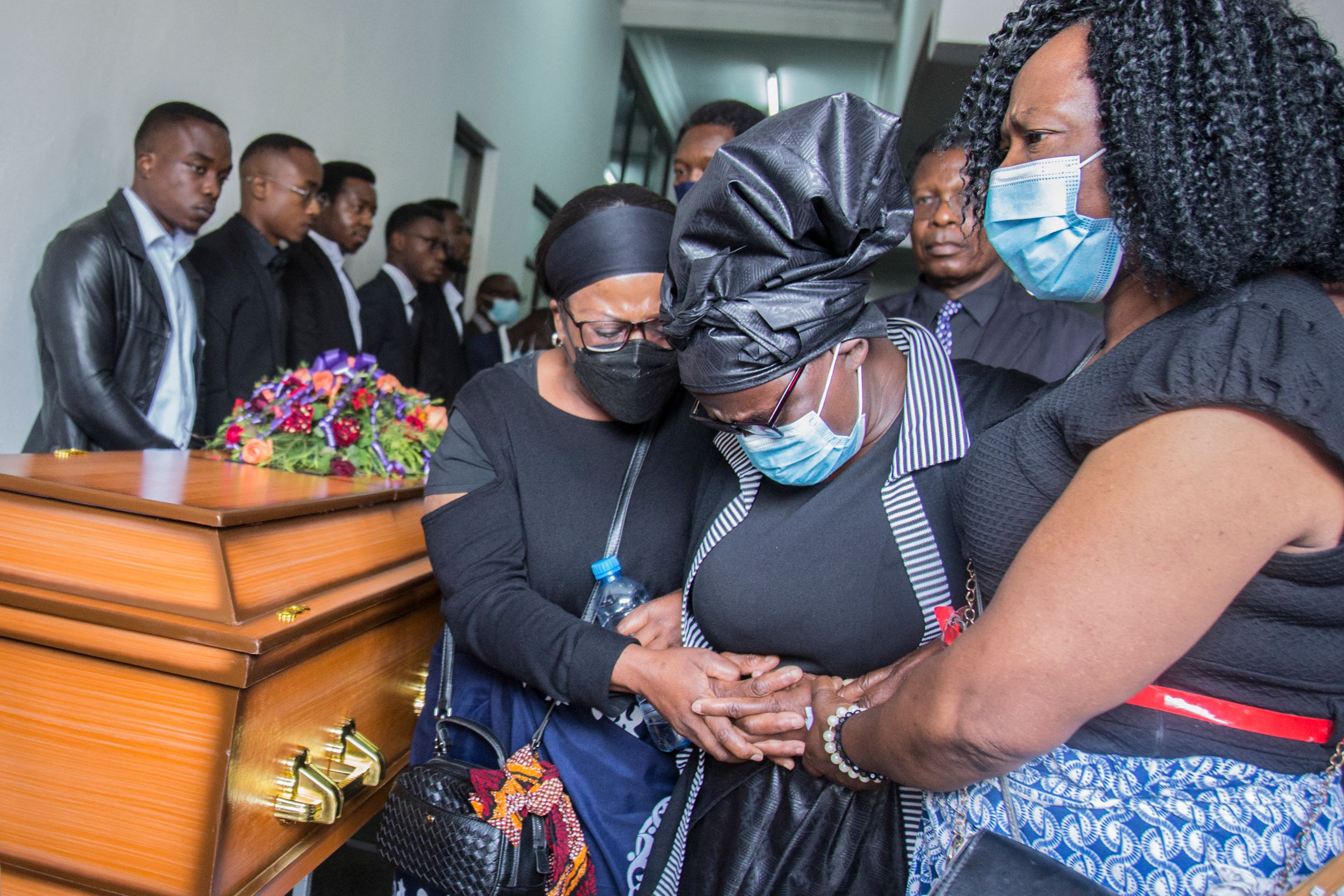
A moment from the funeral of a Zambian student whose life ended fighting in the ranks of Russia’s armed forces in Ukraine. Source: Salim Dawood (AFP)
According to African diplomats, some cases have involved the remains of citizens sent to fight in Ukraine being destroyed rather than returned. Some families have received no compensation, and embassies have not been informed of the deaths. Hundreds of citizens from Zambia, Tanzania, Guinea, Cameroon, Eritrea, Nigeria and other states have been dispatched to the war in Ukraine.
Russia’s armed forces deploy foreign nationals to frontline units that suffer exceptionally high losses, using them to shield bettertrained formations.
African embassies in Moscow have repeatedly stressed the need to raise threat awareness among students arriving in Russia. They primarily advise them to focus on their studies rather than chasing short-term income.
The problem, however, is that scholarships awarded to students from African states are insufficient, forcing them to seek employment to cover living costs. Russian authorities exploit this vulnerability by detaining African nationals working in Russia and refusing to extend their residence permits. These students are offered a choice between deportation and military service. Hundreds of African citizens who refused to take part in the war have subsequently been expelled from the country.
Due to the urgent need to deploy manpower to the front in Ukraine, Russian authorities have also resorted to other methods to increase the army’s numbers. For example, officials have conducted raids in places such as gyms and markets to find “men with foreign appearances” who already hold Russian citizenship and enlist them for combat in Ukraine. Foreign students have also been caught up in these raids.