3.2
Repressive pressure intensifies
In 2026, Russia is likely to impose even harsher measures to restrict access to independent information in online media.
The Kremlin is systematically intensifying its ideological influence and indoctrination efforts aimed at young people.
In the face of ongoing suppression of freedom of opinion and expression, the Kremlin continues to stage farcical elections. During the 2026 State Duma elections, it is likely to employ even greater pressure and control tactics than in the past.
Repressive measures that intensified with the outbreak of the full-scale war in Ukraine continued to strengthen in 2025.
Last year, the regime expanded legislation enabling the persecution of dissent, including additional restrictions on individuals designated as “foreign agents”. A significant change was the enactment of a law prohibiting online searches for extremist content. Russian legislation and courts classify a wide range of opposition views and movements as extremist, making the scope of this provision particularly broad. Notably, the amendment was viewed by many regime-loyal Russians as excessive, and these disagreements became public.
A new development in information control was introduced in 2025 with the regime’s rollout of a state-backed messaging application called Max. This platform offers a wide range of features, including access to public services and communication with government agencies. However, cybersecurity specialists have warned that Max collects data from almost every application on a user’s phone. They also warn that this access could give Russia’s security services significantly greater insight into users’ activities.
The introduction of a state-controlled communications platform is almost certainly intended to tighten official control over the information space and enhance the ability of law enforcement and security agencies to collect and analyse the communications data of Russian citizens. Once Max is more widely adopted, the regime is likely to move even more aggressively to restrict the use of alternative messaging applications.
Taken together, developments over the past year point clearly to the Kremlin’s view that suppressing freedom of expression and opinion, and deepening a pervasive climate of fear, are indispensable to maintaining domestic political control.
A DISSENTER
On the third anniversary of Russia’s full-scale war of aggression, at five o’clock in the morning on 24 February 2025, a man born in 1988 wrote “No to war” in the snow near a monument to a Russian soldier in Kaliningrad and set himself on fire in protest. To protect his relatives, we are not disclosing his name.
What happened in Kaliningrad, alongside the numerous criminal cases brought against dissidents and the repressive measures being applied, clearly demonstrates that not all Russians support the current regime. However, active opponents of the regime do not constitute a majority. For most of society, political apathy, conformity and a desire to avoid confrontation with the authorities remain the dominant attitudes.
THE REGIME INTENSIFIES YOUTH INDOCTRINATION
The Russian regime has systematically expanded ideological influence and indoctrination aimed at young people during wartime. Last year, these practices extended even to very young children. Patriotic education lessons titled “Conversations About Important Things”, which had targeted school pupils since autumn 2022, were expanded in autumn 2025 under a pilot programme to 100 kindergartens across 22 regions. Schools and universities have introduced dedicated teaching posts responsible for propaganda and ideological education. In the 2025/26 school year, the number of civic education lessons in lower secondary schools was reduced, while history classes were expanded.
Ideological indoctrination within educational institutions is increasingly framed as military preparation. These initiatives are designed to instil in young people the belief that the war in Ukraine is justified. Pupils meet veterans of the war as part of school programmes, participate in themed competitions, organise humanitarian aid for the front, and write letters of support to soldiers. Hundreds of thousands of children and young people are also involved in the Yunarmiya youth movement and the militarypatriotic game Zarnitsa (“Lightning”). Additionally, the number of cadet classes in general education schools has increased.
Russia is working to create a “sovereign and unified” education space and, as part of this effort, severed its remaining links with Western education systems last year. The Russian Prosecutor General’s Office declared the activities of both the International Baccalaureate and the British Council undesirable. Russia is also gradually withdrawing from the Bologna higher education system, a move that restricts students’ opportunities to study abroad.
YOUNG PEOPLE UNDER REPRESSION
As cultural ties with the West continue to diminish, the worldviews of young people are increasingly shaped by restrictions and blocks on Western social media and video platforms in Russia. Limiting access alone is insufficient for the authorities; state and regional monitoring centres also track young people’s social media activity.
Young people who express opposing views face repression. Sentiment related to protests in higher education institutions is monitored using dedicated methodologies, and plans are underway to establish an information system to assess students’ adherence to so-called traditional values. Indoctrination, surveillance and, where deemed necessary, repression are applied equally to foreign students studying in Russia.
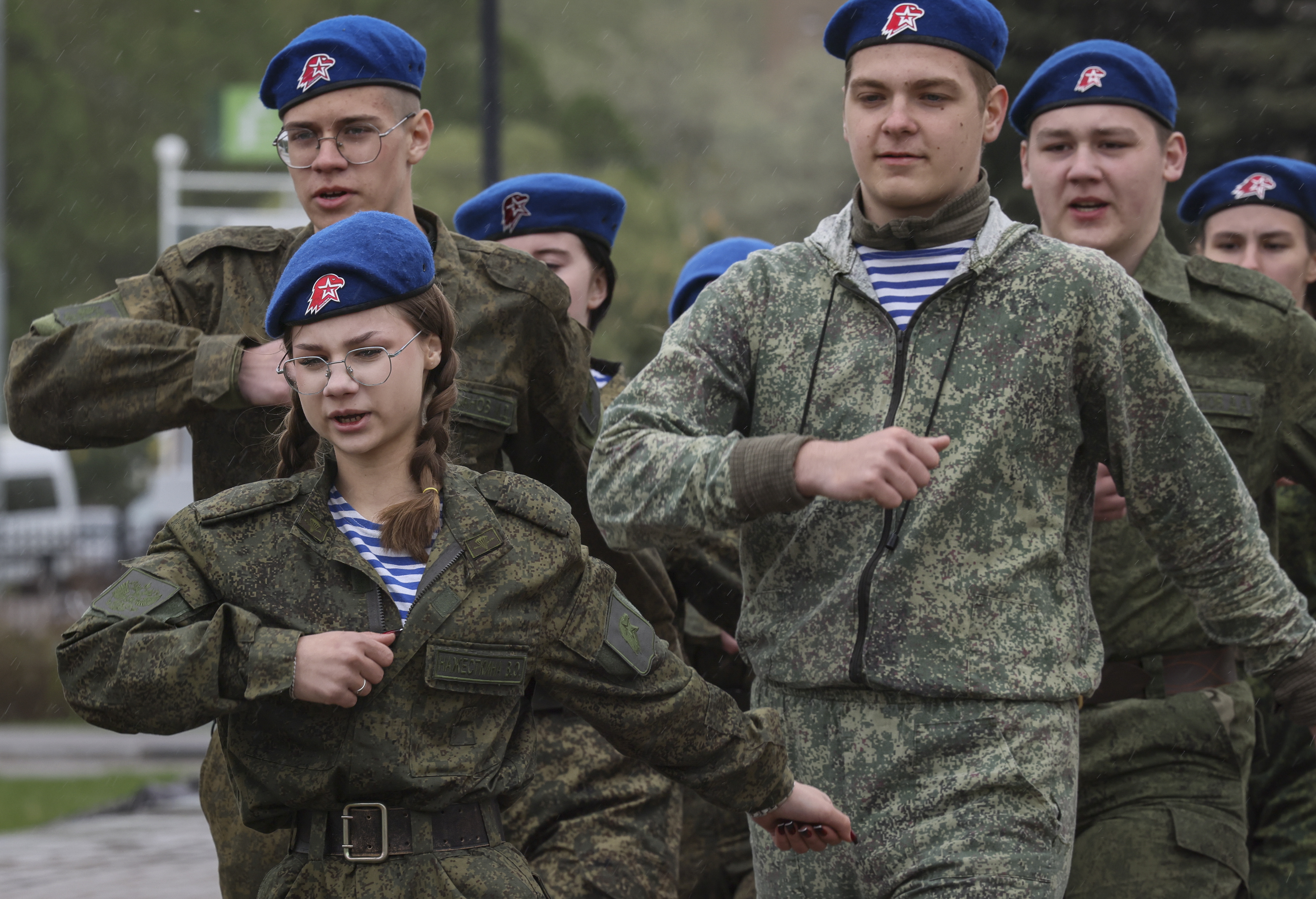
Members of Yunarmiya marching in a military-patriotic game held to mark Victory Day. Source: Sergei Ilnitsky (EPA)
This ongoing ideological pressure is likely to leave a lasting mark. Over time, such prolonged conditioning will probably make future generations in Russia more hostile towards democratic values and the West.
FARCICAL ELECTIONS
Despite the systematic suppression of democracy, Russian authorities persist in staging elections to claim legitimacy and project an image of strong popular support. These elections are meticulously orchestrated. Authorities determine in advance minimum turnout targets and the candidates who will be declared elected. To achieve their desired outcomes, they employ administrative pressure, exclude potentially threatening competitors, and falsify results when necessary.
In autumn 2026, State Duma elections will coincide with local elections. As the deteriorating economic situation complicates campaign management, the Kremlin is likely to rely even more heavily on administrative control, pressure and coercive measures to secure the desired results.
In addition to presidential and State Duma elections held every few years, regional elections take place each autumn on a so-called “single voting day”, covering legislative and executive offices at various levels. Gubernatorial elections tend to attract the most attention, but genuine competition is absent. Elections merely formalise the continuation of a governor approved by Putin or the installation of a Kremlin-appointed acting governor in the post. One common reason for replacing a governor is declining public trust in the authorities. While substituting a local official may temporarily ease local discontent, it does not fundamentally alter the nature of governance.
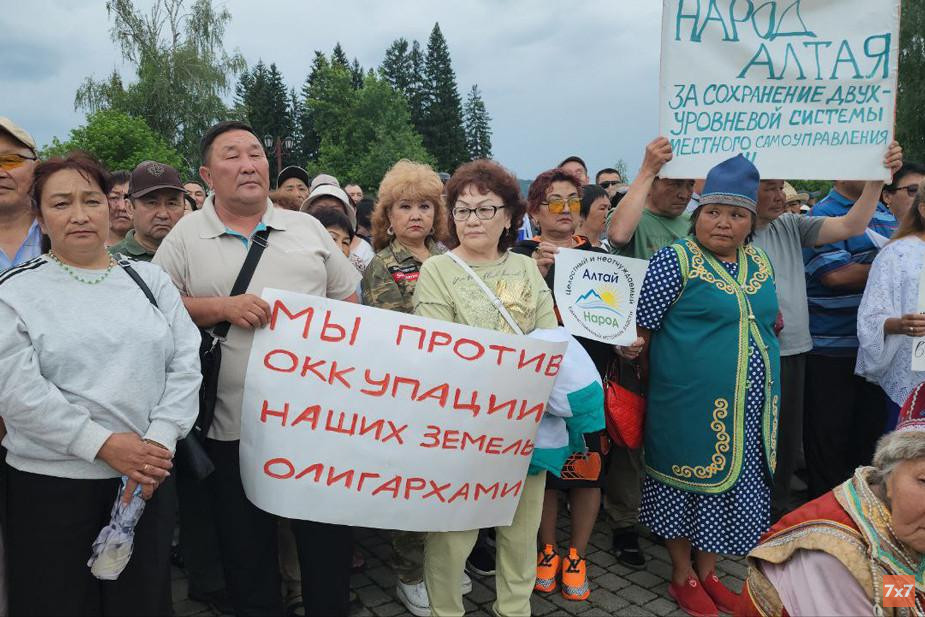
Source: Новости Горного
In March 2025, the State Duma passed legislation to reform the system of local government. The reform aims to replace the current two-tier municipal system with a single-tier system. Although the reform was initially intended for nationwide implementation, some regions resisted and gained the option to opt out. In several regions, including the Altai Republic and Krasnoyarsk Krai, residents have opposed the reform and organised protests.
The Kremlin is highly likely using this reform to reinforce its “vertical of power” and tighten control over local elites. Eliminating municipal governments at the lowest level significantly reduces the number of elections, allowing the regime to concentrate resources and attention more efficiently. Over the longer term, however, dismantling grassroots local government is likely to weaken the ties between central and regional authorities and local communities, which could undermine the regime’s stability.